

 One of the earliest innovations of roller coasters was the "flying turns" ride where bobsled like cars ran through a wooden trough much like a bobsled. Over time they fell out of favor with the wooden tracks requiring extensive maintenance and limitations in the size that they could be built. In the 1980's, Intamin revisited the concept of the flying turns/bobsled style ride using a steel trough and new composite wheels like those found on other roller coasters. Their new Bobsled coaster promised to be the "next big thing" and several parks invested in these new rides state of the art thrill experience. |
||
 |
||
 |
||
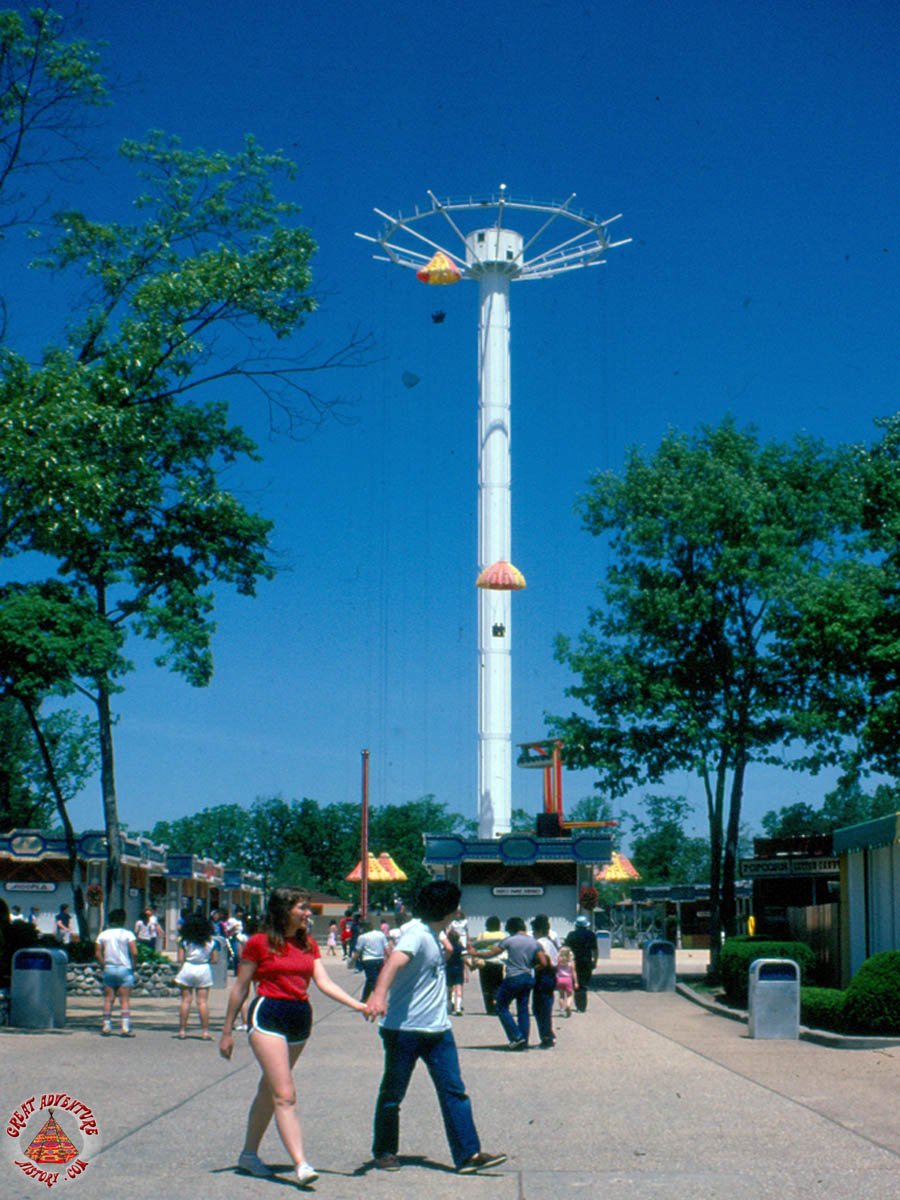 |
Olympic fever was in full swing in 1984. The Olympic Winter Games were held in Sarajevo, Yugoslavia in February and the Olympic hype was building even greater for the Summer Games which would be held in July and August in Los Angles, California. Six Flags looked to capitalize on the Olympic spirit by introducing a new bobsled style ride at its flagship parks on the east and west coast. As the world "Olympic" was a licensed trademark and would have required use fees, Six Flags instead referenced the winter events' host city name Sarajevo and the Sarajevo Bobsled ride was born. The new coaster would attempt to simulate the thrills of the actual Sarajevo Olympic bobsled and luge track run which was built on Trebević mountain overlooking the City of Sarajevo specifically for the Olympic Games. |
 |
 |
 |
 |
 |
||
 |
||
 |
 |
 |
 |
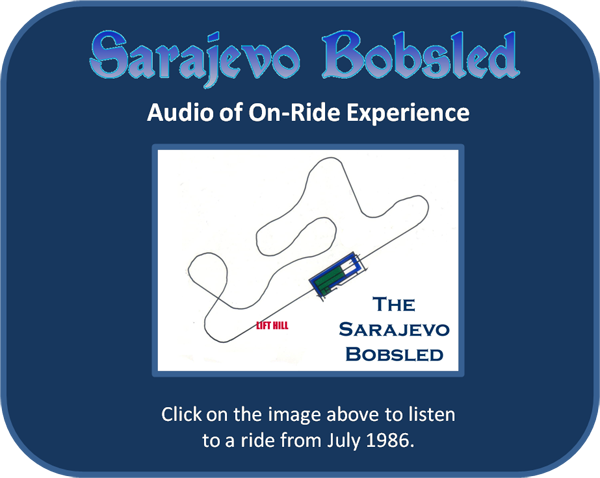
Six Flags was one of the first
companies to express an interest in Intamin AG of Switzerland's new
bobsled style ride. Park executives and designers visited a
partial mockup of the coaster years before the ride was ready for
installation. This new ride utilized a steel trough with
individual bobsled style cars that started on a lift track climbing to
an apex where they were then released to roll freely in a trough Climbing the high banked turns
just like a real bobsled, no two rides would be exactly the same as the
weight distribution in the sleds would make them run higher or lower in
the trough. To increase the number of sleds in operation on the coaster there were three block brakes which could slow or stop the sleds and allow the operation of multiple ride vehicles on the course. The sleds would funnel into a small track section with the brakes before passing into the next trough section to freely roll. |
 |
 |
||
 |
The 1984 season for
Great Adventure promised to be a big and exciting year. Previously,1983 had been a
record season for the park with growing attendance and revenue after the
addition of two big new rides. The park looked to continue this growth
with an exciting new coaster which would be the first of its kind in the
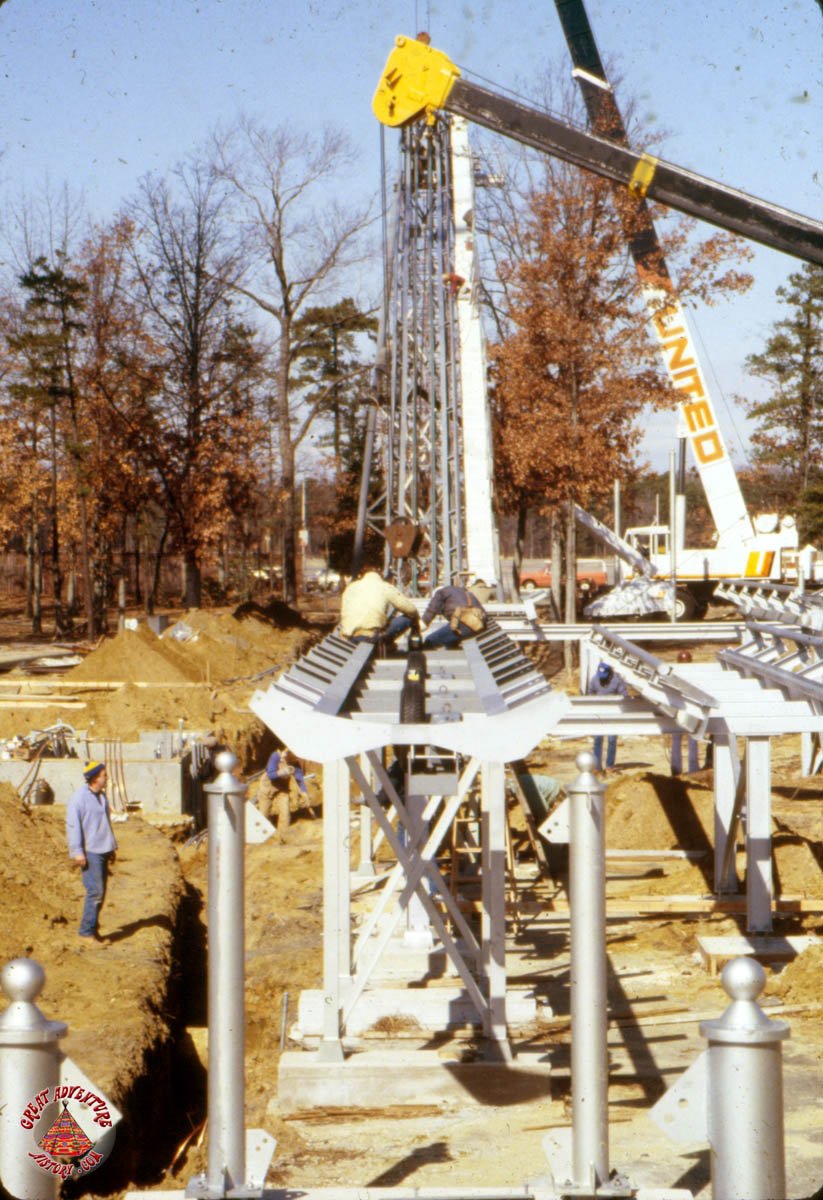
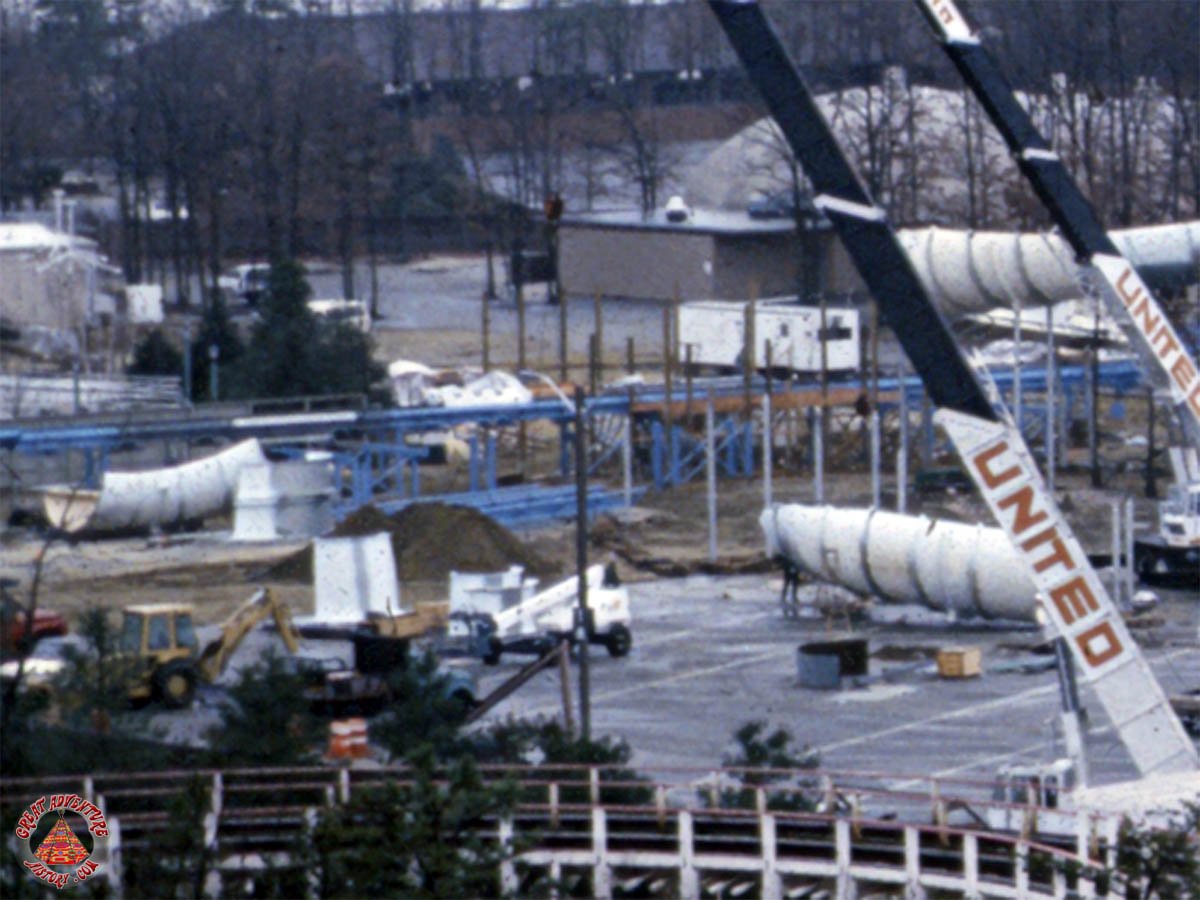
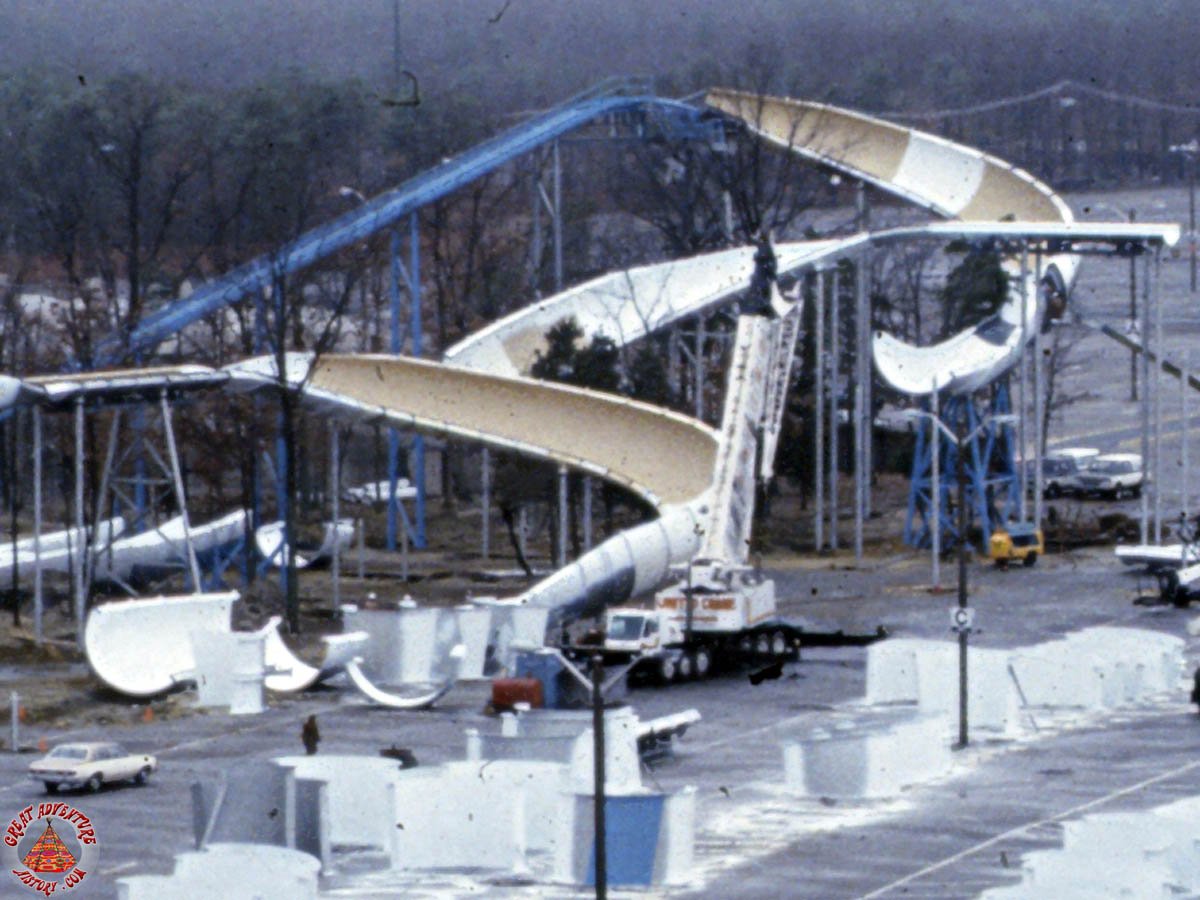
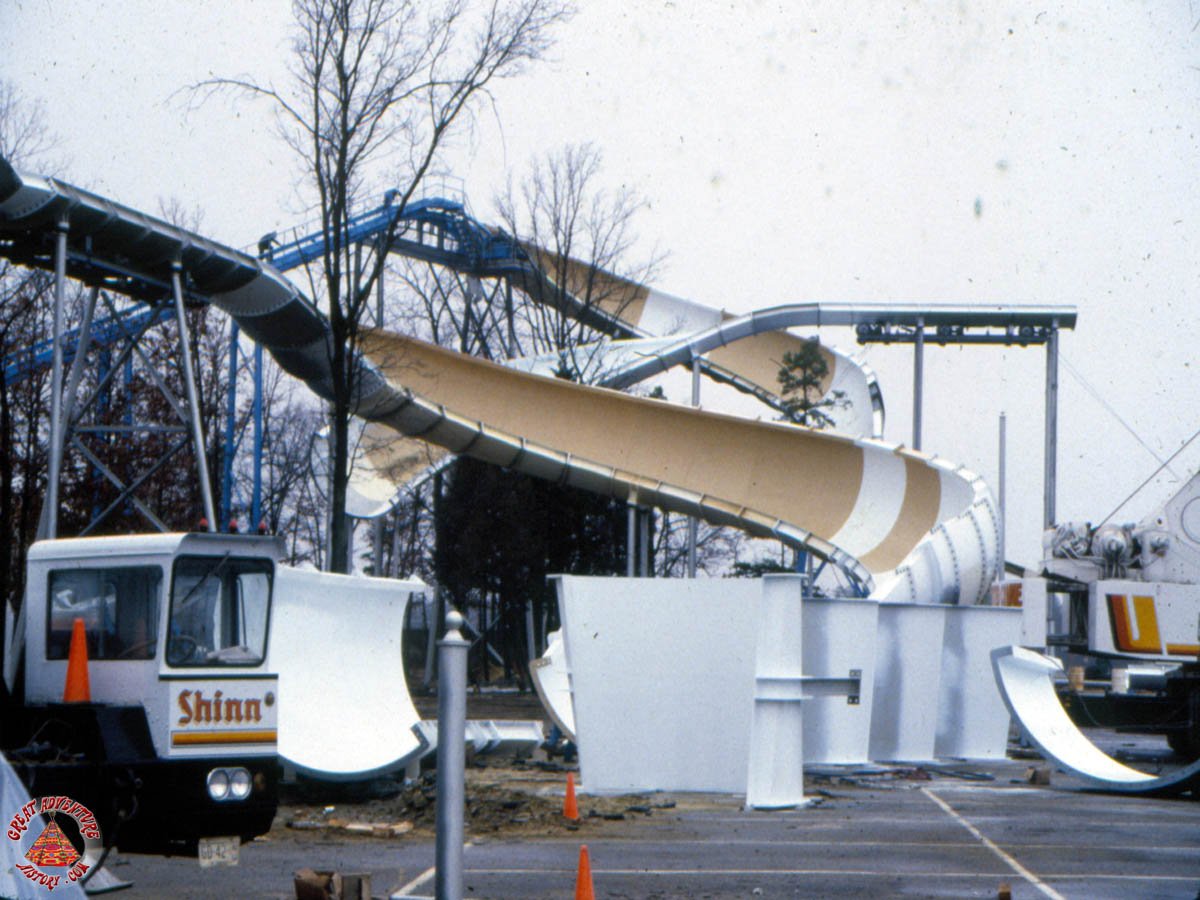
world. Construction of the Sarajevo Bobsled began in fall of 1983. The location at the top of the Goodtime Alley games area behind the Parachuter's Perch ride was strategic, forcing crowds to pass the wide array of colorful games and stuffed prizes to reach the new coaster. The ride parts came from Switzerland painted only with primer with the final colors of the ride being painted on site as it was assembled. For years after construction, white crescents of paint could still be found on the pavement in the nearby parking spaces where the trough sections were painted before they were assembled. Rather than using welds, the ride was bolted together with the idea that it could be disassembled and relocated at some future time as part of Six Flags ride rotation program. The Sarajevo Bobsled was Great Adventure's first "parking lot coaster" with the ride installation extending past the park's existing boundaries and overtaking part of the neighboring parking lot. Rather than removing the asphalt where the new ride would be located, instead it was simply "planted" right on top of the lot with pavement only being removed where the coaster's support columns needed to placed. |
 |
 |
||
 |
 |
|
 |
 |
 |
 |
 |
|
 |
||
 |
||
 |
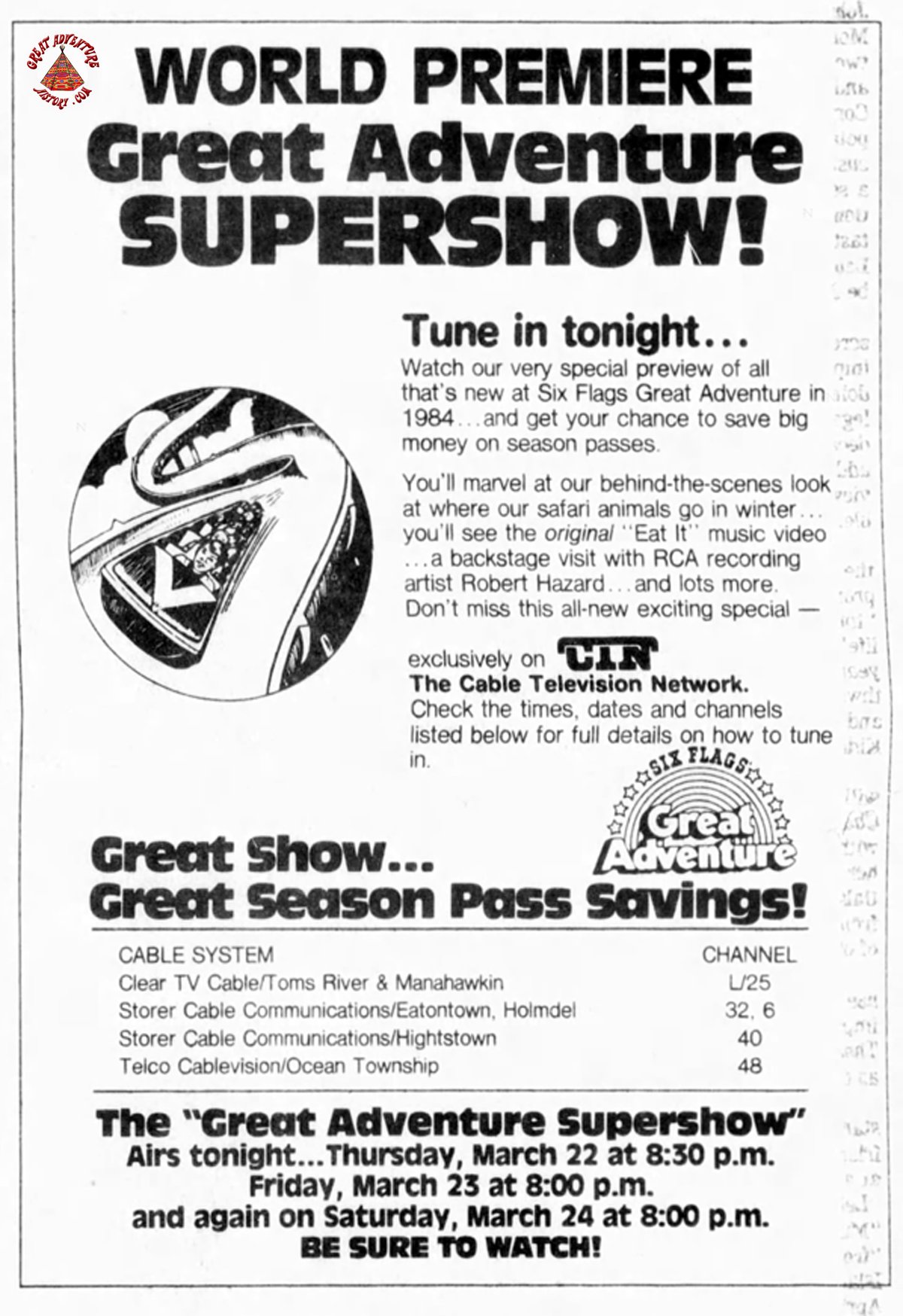
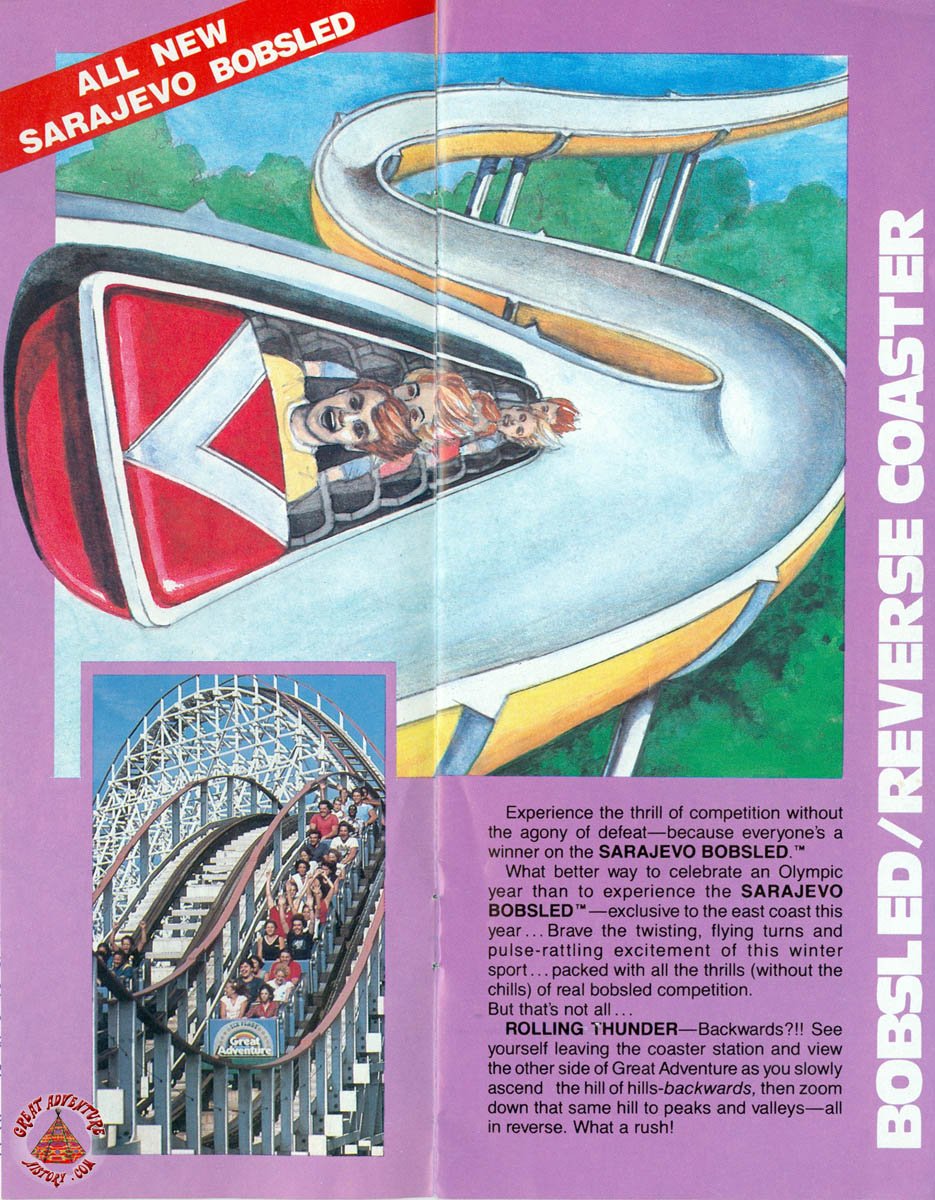
Park promotional materials for the 1984 season all featured concept art of the Sarajevo Bobsled since there were no existing rides to photograph. Early logos just called it "The Bobsled", with the Sarajevo Bobsled name being chosen at the last minute before park opening. The same graphics and logos were used for Great Adventure and Magic Mountain since both parks were introducing the same ride at the same time. Also, a pre-season local cable show named "Great Adventure Supershow" introduced the ride to TV viewers. |
 |
 |
 |
|
 |
 |
 |
 |
||
To kick off the 1984 season, Great Adventure launched a "Bring a Snowball" promotion. Over the winter, radio ads told people to save their snowballs and anyone who presented one on opening day on April 14th would be admitted to the park for free. Just one week before opening day a snowstorm blanketed the Northeast, providing many with an opportunity to gather snow balls. The day was cold and rainy, but the crowds came to take advantage of the free promotion. Unfortunately, the Sarajevo Bobsled was not ready for opening day due to shipping delays from Switzerland. Just as well, the Sarajevo Bobsled probably couldn't have opened anyways because of the rain. Even so, guests were happy to get in for free, and at least got to ride Rednuht Gnillor (Rolling Thunder backwards) which was debuting to celebrate the 100th anniversary of the roller coaster in America. |
 |
|
 |
||
 |
||
 |
 |
|
 |
 |
|
 |
 |
|
 |
 |
 |
 |
The Sarajevo Bobsled
made its debut on May 9, 1984. The coaster was originally planned to
have more theme elements with a canvas "mountain" added beneath the
tracks which would have obscured the track from view and make the
experience of the bobsled ride more realistic and less like a roller
coaster. The idea of the canvas coverings were scrapped before
construction began, with the ride instead wrapping around the existing
trees or above the parking lot
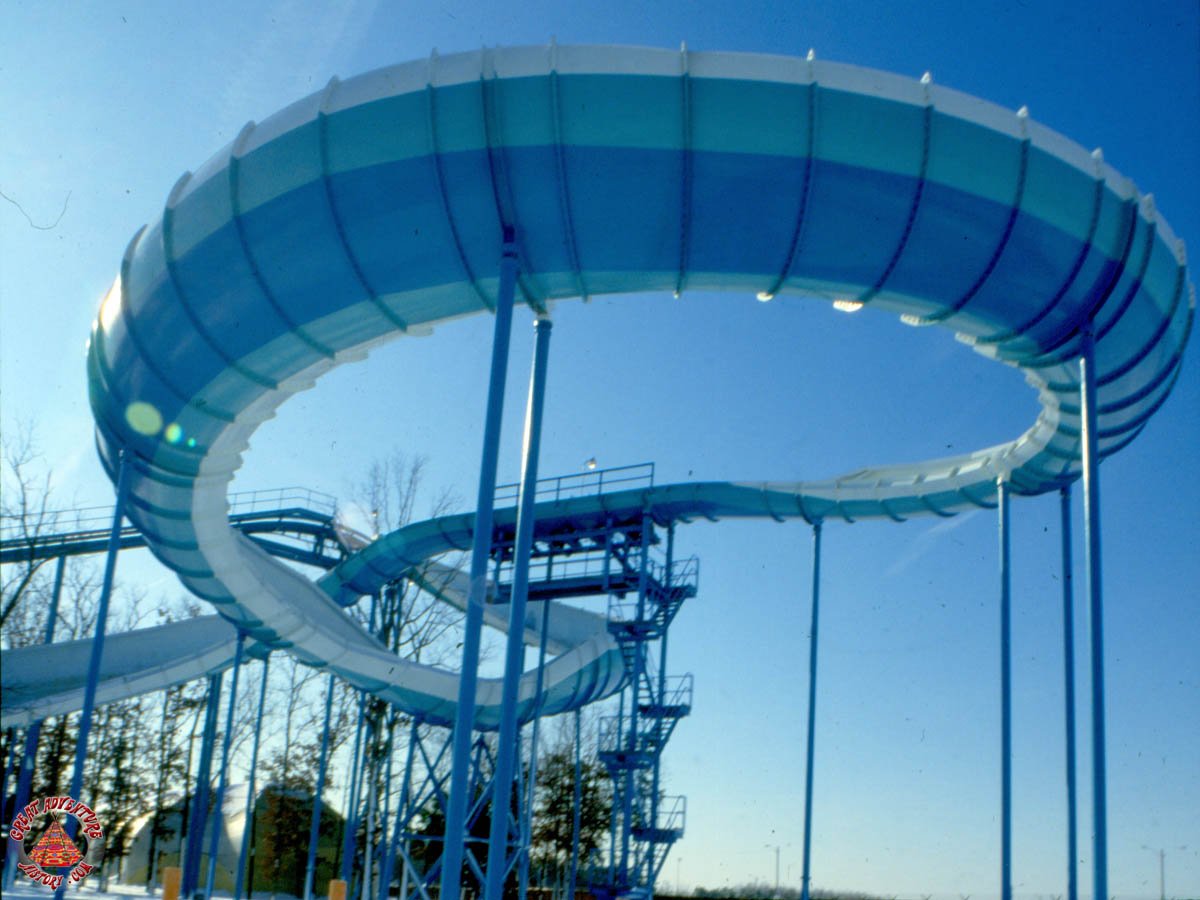
sections. The ride's trough was painted in gradations of blue to white to create the feeling of snow and ice. The ride station was given a half timber design to create a vaguely "Alpine" feel. The lift hill of the ride was 64 feet high, and the ride's top speed was 32 miles per hour, making it a family friendly coaster while providing thrills and fun. The two minute ride had a total of 8 sleds which could each carry 6 guests, thrilling approximately 1300 riders per hour. |
 |
 |
 |
|
 |
 |
|
 |
||
 |
 |
 |
 |
The ride had an
undersized set of switchback queues which gave way to a lengthy ramp
leading up to the station. Operators requested waiting riders on
the ramp to stay on the left if they were a party of one or two, or to
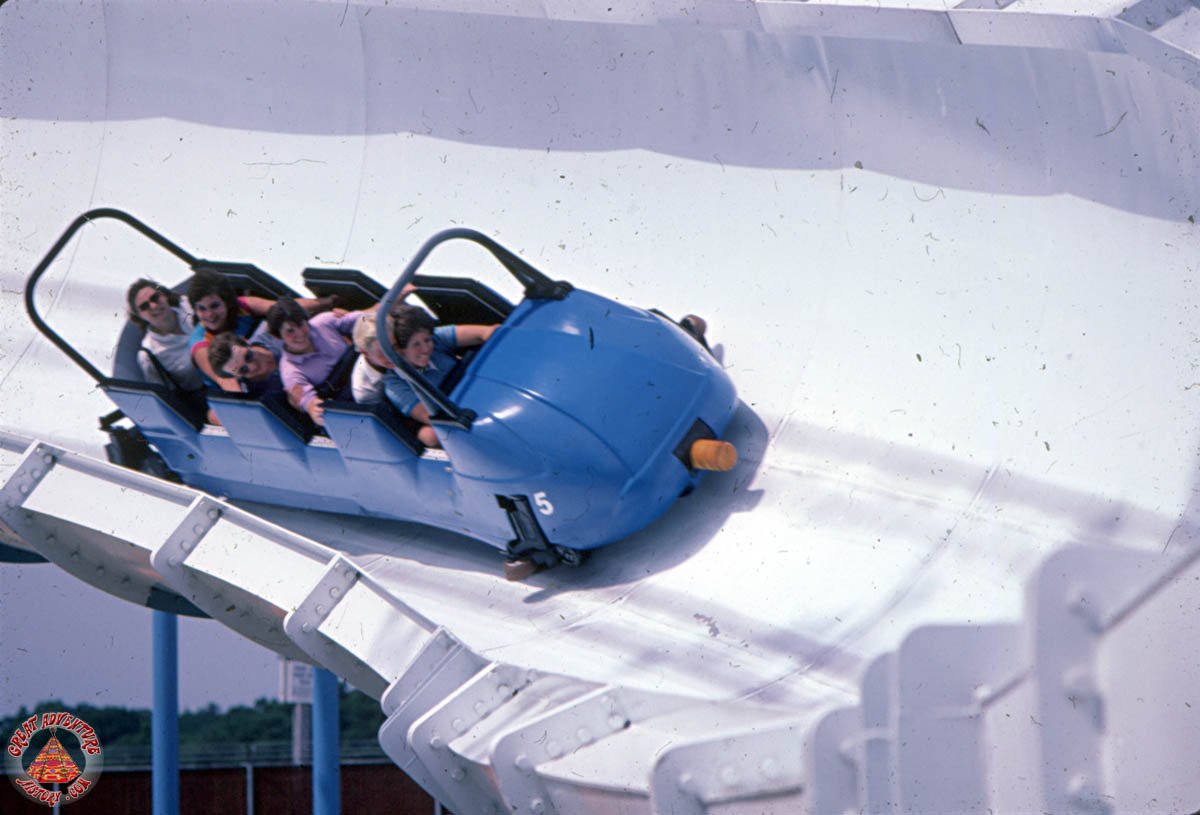
the right if they had three or more people. Two side by side station stops served both as the load and unload locations. Guests were permitted to enter the bobsleds after the returning guests exited. During its first season the station did not feature air gates but these were added for 1985. The ride's relatively low capacity was one of its biggest issues. To get six guests into each sled often meant guests had to sit in the laps of strangers if their party had odd numbers. The seating arrangement was one person sitting against one of the sled's three back rest with another sitting between their legs (like a log flume boat), and both guests being secured with a single lap bar. |
 |
 |
 |
|
%20copy.jpg) |
 |
|
 |
 |
 |
 |
 |
|
 |
The sleds ran on
polyurethane wheels in the trough with no track, so each ride was a
little different depending on weight of the riders, and even like a real
bobsled if riders leaned into a turn it would effect the sled's
trajectory. The sleds all had real "roll bars" just in case the sled
should tip over in a turn, though none ever did while open to the public. Because of the trackless nature of the ride, moisture would cause the wheels to slip in the trough. This meant the ride would need to close for even the slightest fall of rain, or even mist or fog. This led to great disappointment for some guests waiting on line for the coaster on days when rain shower would roll in on a summer afternoon. The ride featured three in-course brake runs. When the ride would start or restart, one attendant would be sent to brake #1 and the second would be sent to brake #2. As the first sled would come to the block, the attendant would have to hit a green button to advance the sled manually. On days with low staffing, the attendant who advanced the sled through brake #1 would then have to run down the stairs and across the ride area to brake #3 and clear the sled as it came through. If that person could not get to the brake fast enough, the ride would shut down, and the whole process would have to start all over again. On drizzly days, the starting of the ride could happen several times in the course of a shift, and attendants could be run ragged. During the height of their new safety focus in 1988, employees were assigned to the brake runs full time similar to the staff found stationed around the Log Flume ride. |
 |
 |
 |
|
 |
 |
 |
 |
%20copy.jpg) |
|
 Photo above from the collection of Ric Turner |
||
 |
||
 |
 |
 |
 |
 |
 |
 |
The Sarajevo Bobsled
was originally set to be removed after the 1987 season for the addition
of a major looping coaster, but those plans were delayed for a year
while the park concentrated more on families before adding a new thrill
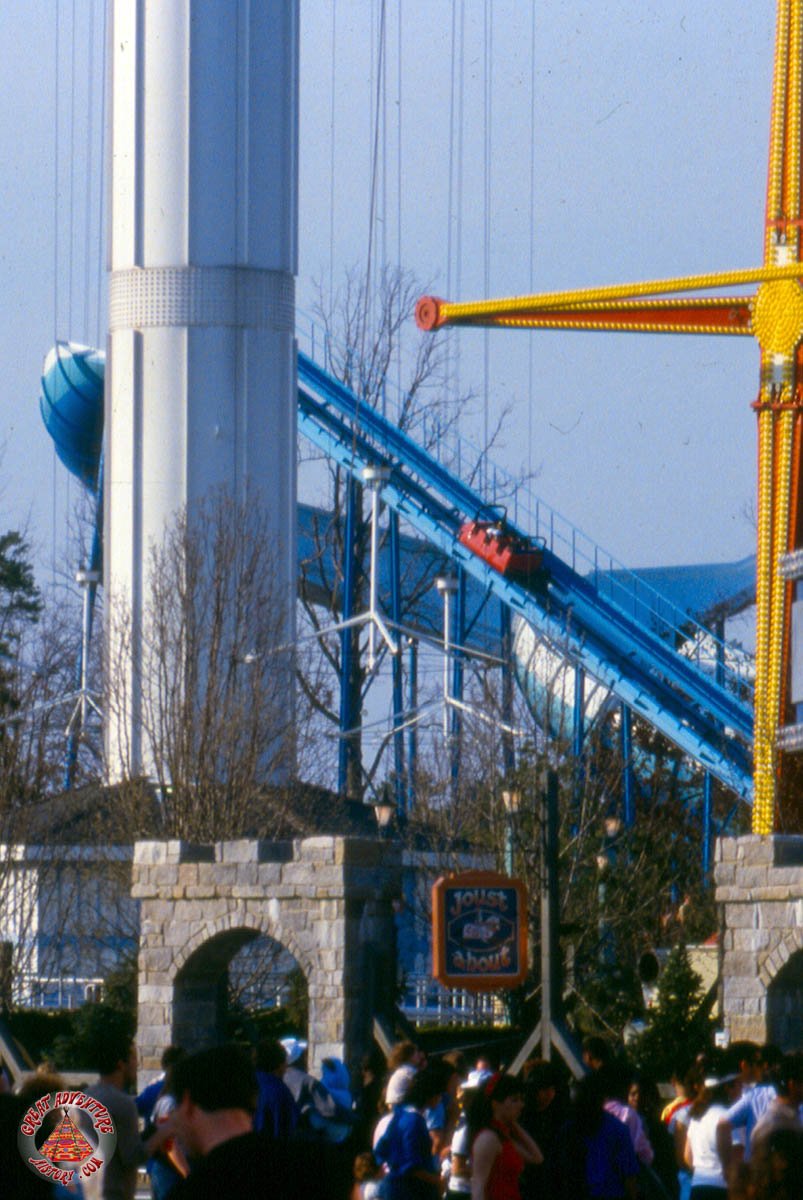
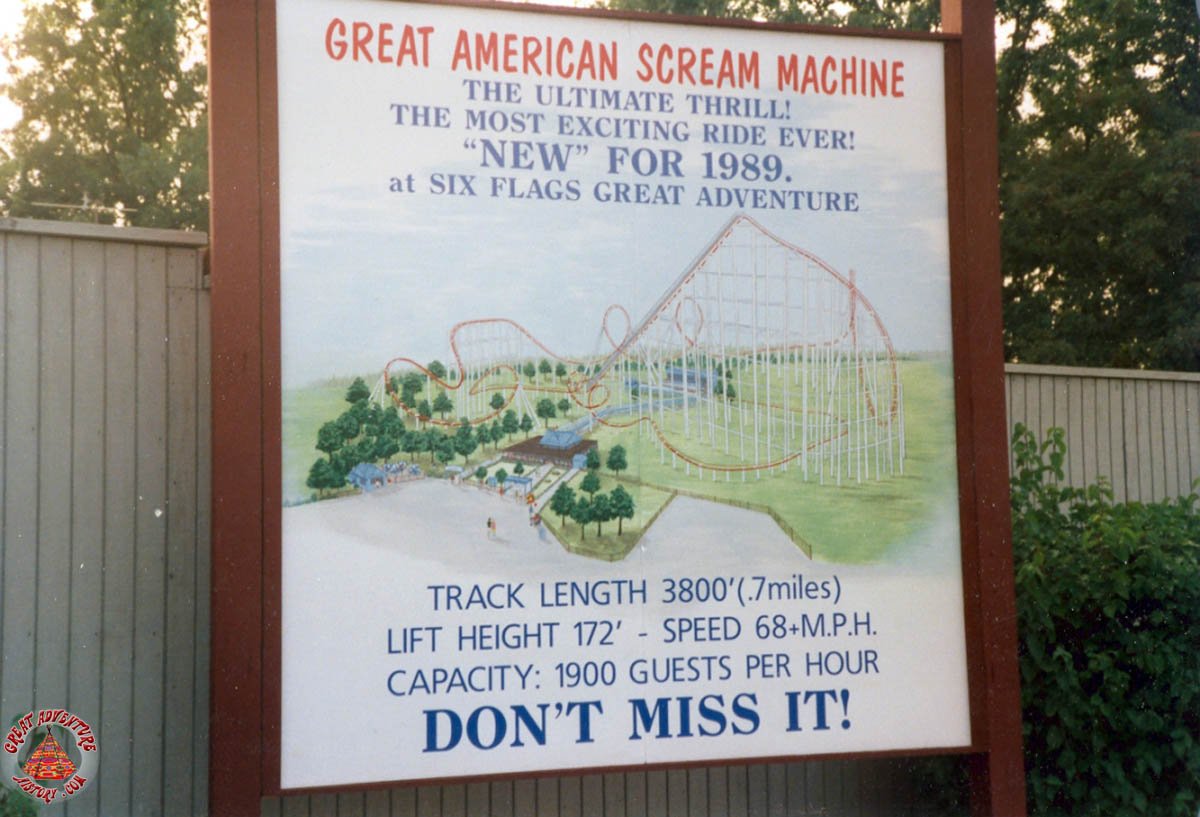
ride. After operating at Great Adventure for four seasons the Sarajevo Bobsled was removed at the end of the 1988 season. The coaster was disassembled carefully so it could be relocated to another park as part of Six Flags "Ride Rotation" program and so the site could be readied for the arrival of the Great American Scream Machine for 1989. The trough was bolted together specifically for easy disassembly, and the bolts were simply discarded as the sections were taken apart. When reassembled at the next park new bolts would be used to rebuild the ride. The ride trough sections and support parts were loaded onto a fleet of flatbed trucks which made their way west to Six Flags Great America. |
 |
 |
 |
|
 |
 |
 |
 |
 |
 |
 |
The former site of the Sarajevo Bobsled was leveled, including the station building. Early renderings of the Great American Scream Machine showed the Sarajevo Bobsled's station building roof was intended to be reused as part of the new coaster's queue, but in the end a completely new structure was built. |
 |
 |
 |
 |
 |
||
 |
 |
 |
| Photos above from the collection of Michael S. Horwood | ||
| For the 1989 season Six Flags Great
America introduced Rolling Thunder, a borrowed name for their "new"
bobsled roller coaster. When the ride opened the capacity was improved
greatly with a fleet of new bobsled cars by Bolliger & Mabillard (B&M). The six new sleds featured
four
rows of two across seating carrying eight guests. This made loading faster and
easier as well as carrying the additional two riders per vehicle. The name Rolling Thunder fit the ride very well, with the sound of the cars in the steel trough sounding very much like thunder. The coaster served at Six Flags Great America for six years before it was relocated once again, this time being sent back east. |
||
 |
 |
|
 |
||
 |
 |
 |
 |
Rolling Thunder was closed at Six
Flags Great America at the end of the 1996 season and sent to The Great
Escape in Lake George, NY. At the time the park was owned by Premier
Parks which had just acquired the Six Flags chain. For the 1998 season
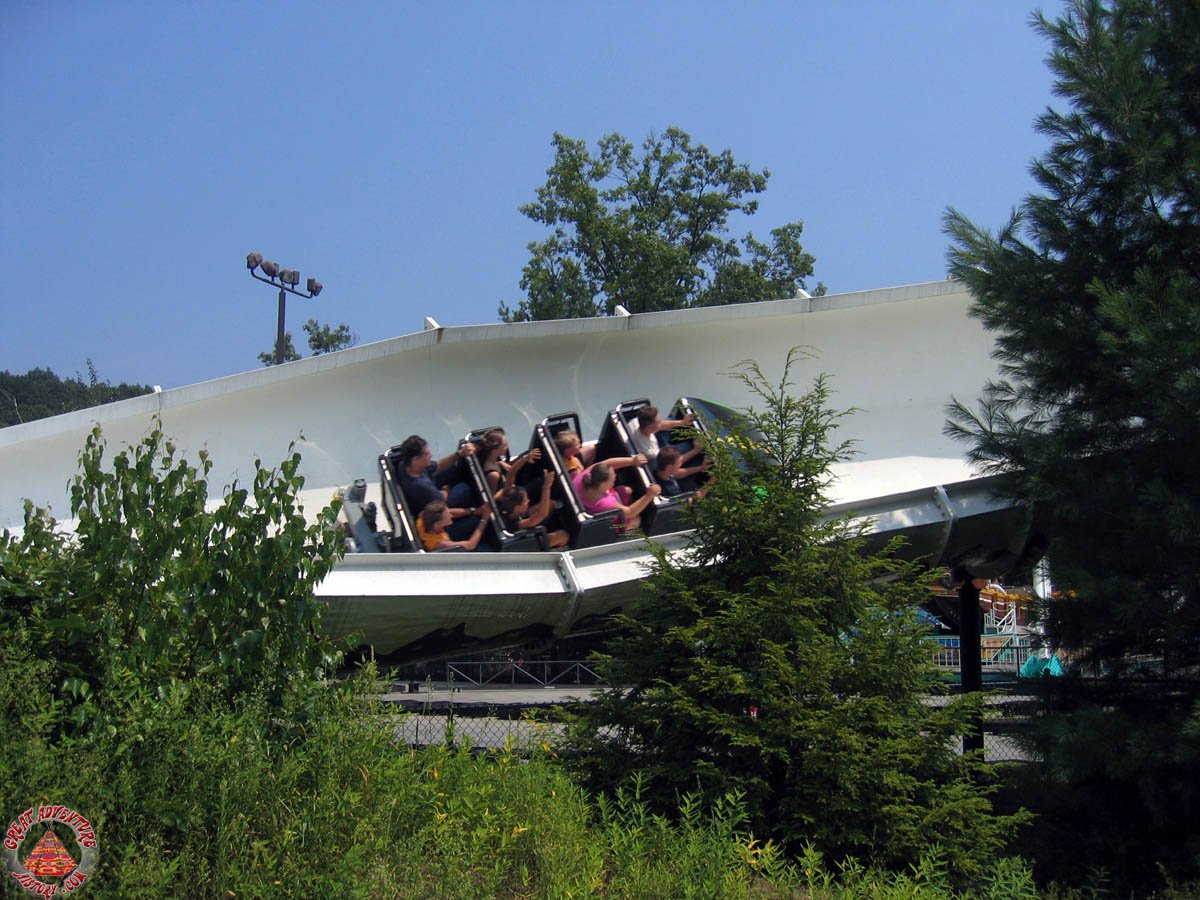
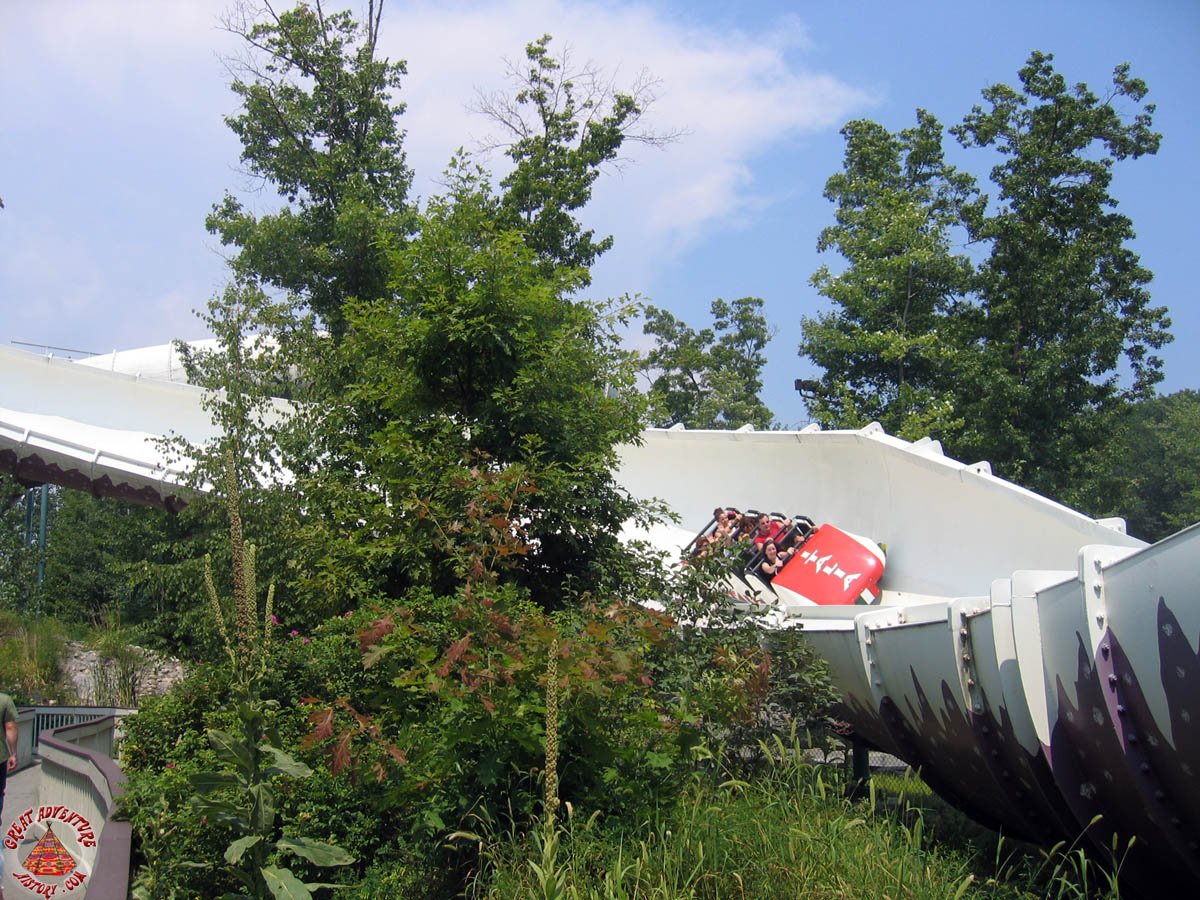
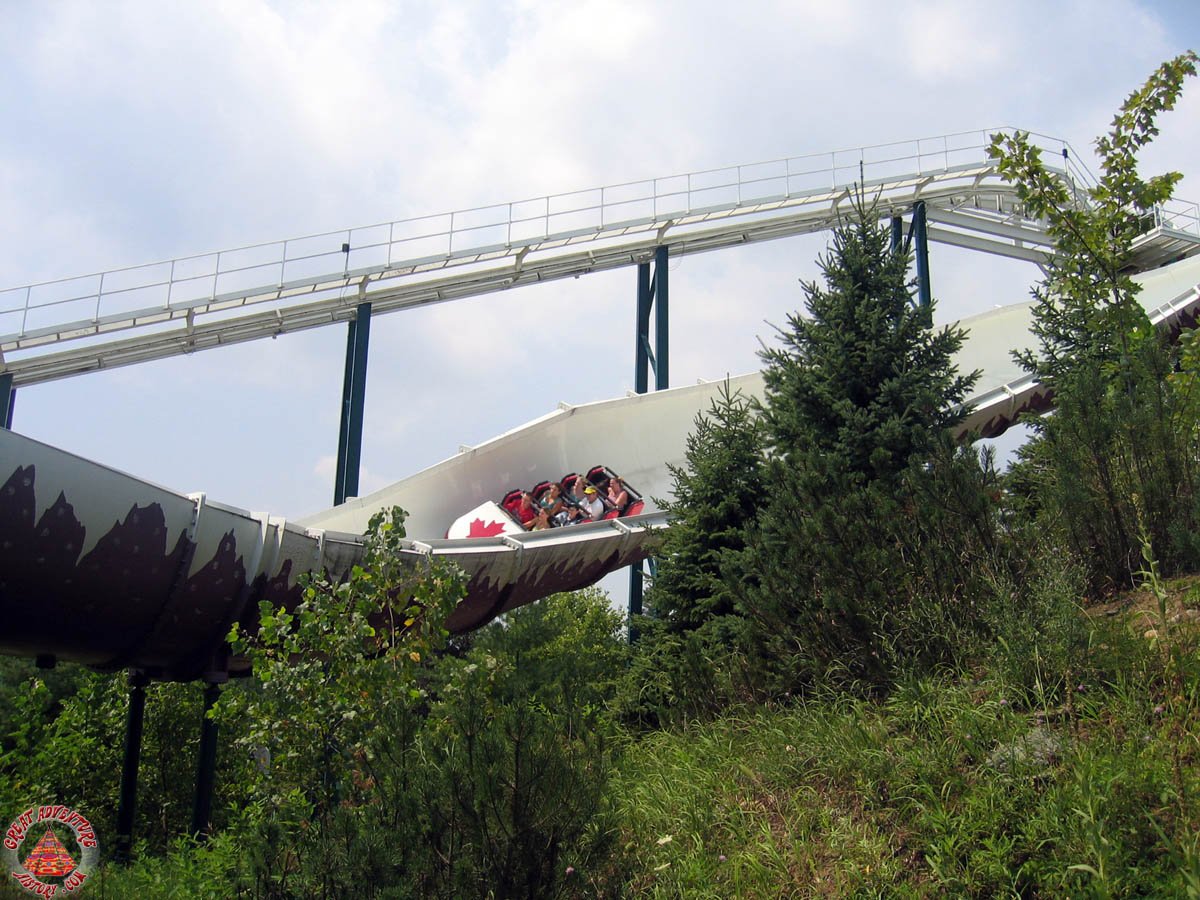
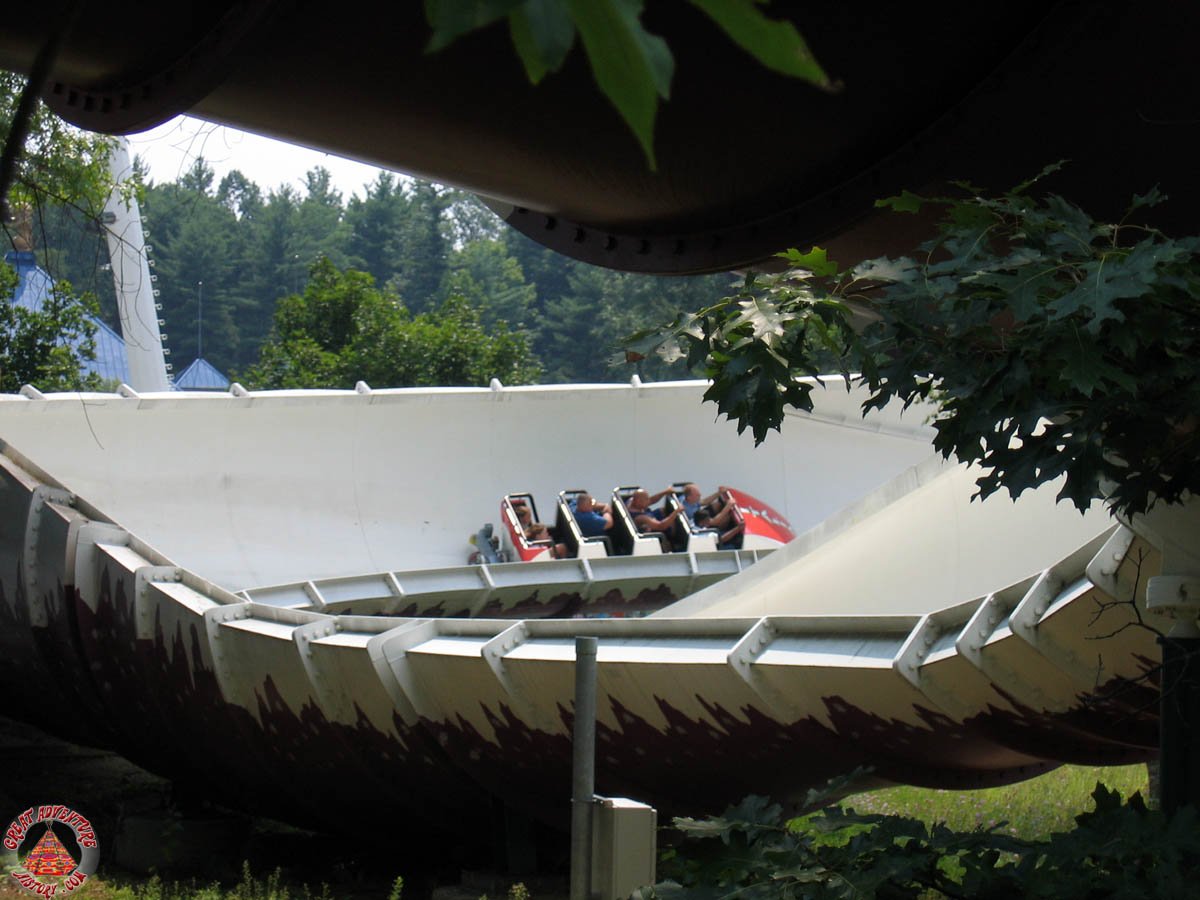
Great Escape opened the Alpine Bobsled with an updated purple and white
wintery design. The family friendly coaster was a great fit for the park which started out as a "storybook" park catering more to families than thrill seekers. The relatively low capacity of the ride also fit the smaller crowds of the quaint park much better than Six Flags largest and busiest parks. |
 |
 |
 |
 |
 |
 |
 |
 |
 |
 |
 |
 |
 |
 |
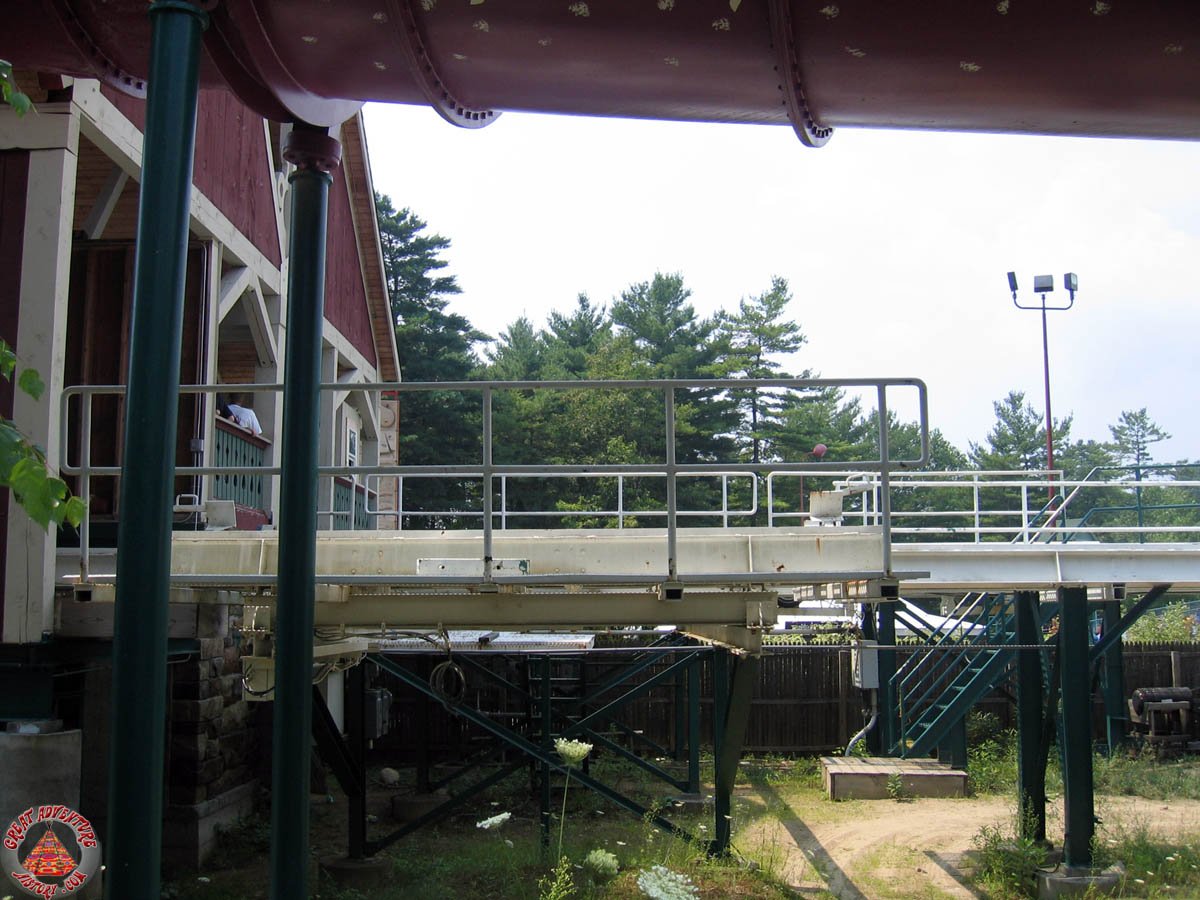
There were only five of the bobsled style coasters built by Intamin, and only two are still operating. Great Adventure's Sarajevo Bobsled now at the Great Escape as Alpine Bobsled and Magic Mountain's Sarajevo Bobsled now at Six Flags Over Texas as La Vibora continue to operate today and both stand out as two of the most successful relocated rides in Six Flags ride rotation program. |
 |
 |
 |
 |
 |
 |
 |
 |
 |
 |
 |
||
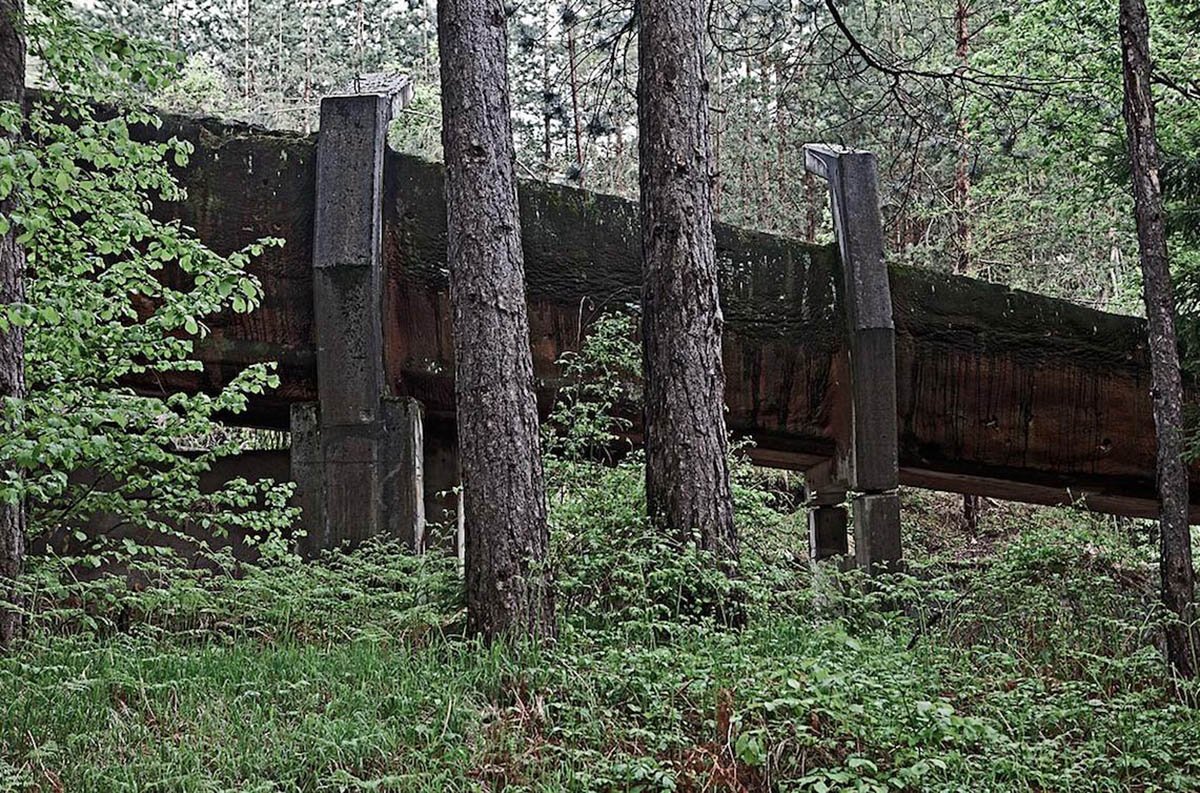 |
Yugoslavia was torn apart by war in the 1990's with the country becoming Bosnia and Herzegovina. The city of Sarajevo has been rebuilding since then, but the bobsled track along with many of the other facilities built for the Olympic Winter Games in disrepair. The once state of the art track has deteriorated from the years of disuse and neglect. |
 |
.jpg) |
 |
.jpg) |
 |
||
 |
Not many souvenirs were created
for the Sarajevo Bobsled aside from the photo postcard seen here. When the ride was disassembled for relocating to Six Flags Great America, the bolts used to hold the trough together were removed and discarded. The deconstruction area was next to Employee Gate #2 where workers passed by on their way to and from work each day. The discarded bolts were all over the ground being collected for recycling, and one came home with an employee to become a souvenir of a favorite ride. |
 |
| Original Spotlight: December 14, 2007; Updated: February 2, 2022. GAH Reference#: RIDE-1984-001 | ||
 |
||
 |
 |
 |
 |
 |
|
 |
 |
 |